
This article compares Vultr and Veesp not by specs, but from a practical perspective: which one makes your system easier to keep alive in the real world.
Vultr: Strong specifications, solid infrastructure, but very clear rules

There is no denying that Vultr is one of the leading VPS providers today. Modern CPUs, fast NVMe storage, a polished control panel, and flexible scaling make it an excellent choice. For clean websites, SaaS products, landing pages, public APIs, or systems targeting a global audience, Vultr delivers impressive performance.
However, Vultr operates under strict compliance standards. A single DMCA or abuse report can result in temporary suspension, network restrictions, or an immediate request for clarification. Whether the report is valid or not is not always the deciding factor—the presence of a report alone is often enough.
This approach is not wrong, but it means Vultr is best suited for systems that are completely “clean,” fully compliant, and unwilling to accept any gray-area risk. If your project requires absolute legal safety, Vultr is a reasonable choice. But if your system is likely to be heavily crawled, closely monitored, or exposed to questionable reports, operational pressure increases significantly.
Veesp: Not flashy, but extremely resilient in operation

Veesp takes an almost opposite approach. Instead of marketing the latest CPUs or high benchmark scores, Veesp focuses on unmetered bandwidth, non-oversold resources, and long-term operational stability. A Veesp VPS is typically deployed once and then left running without daily supervision.
The most significant difference lies in how Veesp handles DMCA and abuse reports. Reports do not automatically become a death sentence for the VPS. This provides a high level of peace of mind for systems that need to run continuously, handle large numbers of requests and files, or operate in more sensitive environments.
Veesp’s CPUs are not the newest generation, and single-core performance may not stand out. In exchange, resources are stable, loads are evenly distributed, throttling is rare, and sudden operational interruptions are far less likely.
Quick comparison from an operational perspective
- Raw performance: Vultr has the advantage.
- Long-term stability: Veesp performs better.
- DMCA / abuse handling: Vultr is fast and strict, Veesp is more flexible.
- Bandwidth: Veesp is unmetered, Vultr operates with quotas.
- Operational pressure: Higher on Vultr if the system carries report risk.
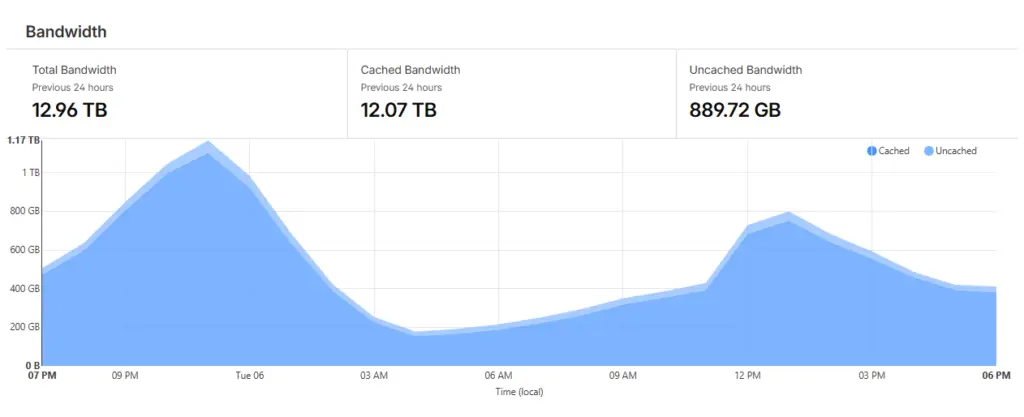
At this level of bandwidth usage, infrastructure cost is no longer driven by CPU or RAM specifications, but entirely by how bandwidth is priced—and this is where Veesp clearly outperforms Vultr in real-world operation.
Real-world case: When stability matters more than specifications
In a production environment, a Veesp VPS costing around 40 USD per month has been used to handle millions of requests per day over an extended period. Uptime has exceeded 40 consecutive days, load averages remain low, and CPU and RAM resources are still available. Despite the lack of flashy specifications, the system continues to operate reliably without unexpected interruptions.
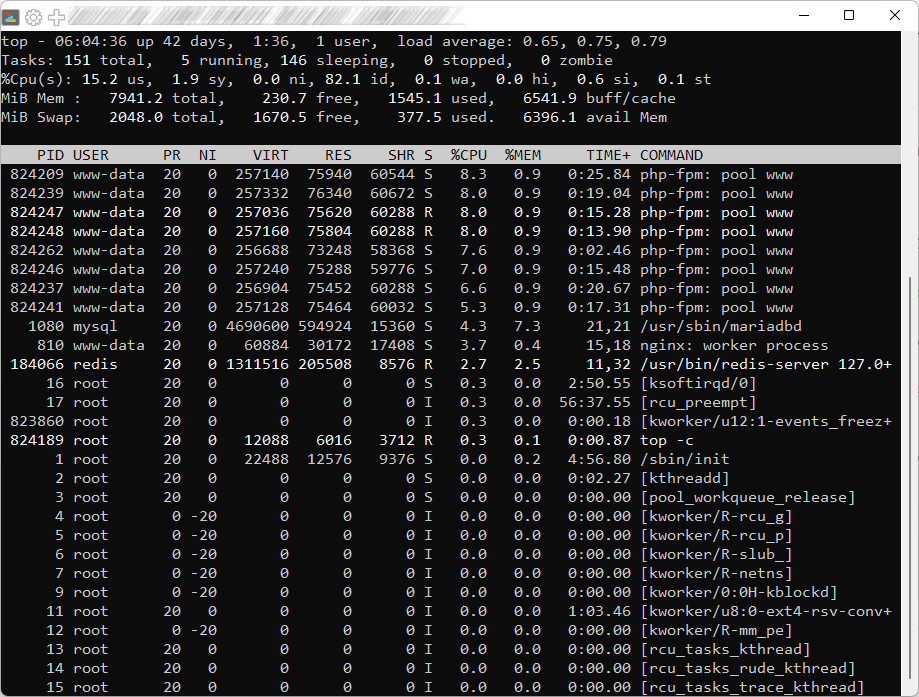
In scenarios like this, higher specifications offer little value if they come with the risk of service disruption triggered by a single, unexpected report.
So, should you choose Vultr or Veesp?
There is no universally correct choice—only the choice that fits your use case.
- Choose Vultr if you need high performance, low latency, and a clean system with strict compliance.
- Choose Veesp if you prioritize stability, unmetered bandwidth, and long-term operation without constant interference.
Conclusion
Vultr gives you performance and discipline. Veesp gives you peace of mind. If your project demands speed and strict compliance, Vultr is a solid option. But if you are building a system that must run continuously under heavy load and you do not want to worry daily about DMCA or abuse reports, Veesp is the more practical and resilient choice.










Comments